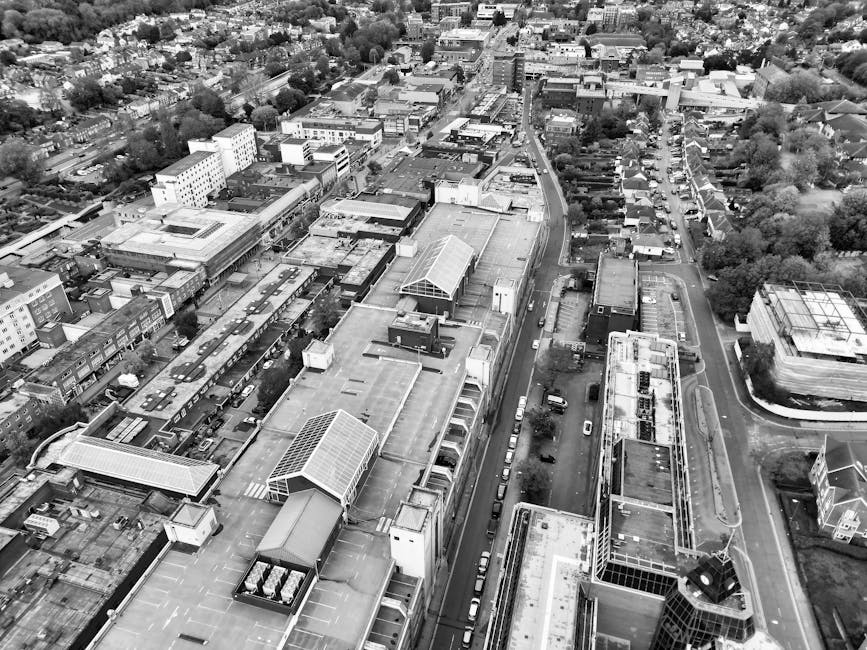
Apsley High Street rubbish collection Hemel Hempstead: a practical local guide
If you live, work, or manage a property near Apsley High Street, you'll know rubbish has a habit of building up at the worst possible time. One day it's a few bags by the bin store, the next it's a bulky chair, cardboard from a delivery, or a full clear-out that suddenly needs sorting. Apsley High Street rubbish collection Hemel Hempstead is really about getting that waste removed safely, efficiently, and without turning a busy day into a headache. In this guide, we'll walk through how it works, who it helps, what to watch out for, and how to choose a sensible option for the job.
There's a simple reason this topic matters: in a place like Apsley, access, timing, and foot traffic can make even a small collection more fiddly than it first looks. So let's break it down properly, without the fluff.
Why Apsley High Street rubbish collection Hemel Hempstead matters
High streets have their own rhythm. Deliveries arrive early, shops open fast, pedestrians move through in waves, and parking can disappear in minutes. In that setting, rubbish isn't just a visual issue. It can affect safety, access, reputation, and how smoothly the day runs. Apsley High Street rubbish collection Hemel Hempstead matters because waste left too long can spill into walkways, attract complaints, and make a property look neglected even when the business or household inside is on top of everything else.
For residents, the issue is often practical. A sofa has to go, the loft is full, or the garage has become a bit of a museum of old stuff. For businesses, it may be packaging, office junk, broken display items, or end-of-lease waste. The point is the same: you need it gone, and you need it gone without disrupting neighbours or customers.
There's also the local reality of access. Some parts of Hemel Hempstead are easier than others for loading, especially where streets are narrow, bays are limited, or footfall is steady throughout the day. A collection service that understands that environment can save you a lot of back-and-forth. Truth be told, that's where the real value is - not just removing waste, but removing the stress around it.
Key takeaway: In a busy high-street setting, rubbish collection is as much about timing, access, and tidiness as it is about the actual waste being taken away.
How Apsley High Street rubbish collection Hemel Hempstead works
Most collections follow a straightforward pattern, although the details can vary depending on the type and volume of waste. In practice, the process usually starts with a description of what needs removing, followed by a quote or estimate, then a booking, and finally the collection itself. Simple enough on paper. Real life can be a bit messier.
Here's what typically happens when arranging rubbish collection in an area like Apsley High Street:
- Identify the waste type. Is it general household rubbish, bulky furniture, builders' waste, or mixed items? This matters because different waste streams may need different handling.
- Estimate the volume. A single mattress is a different job from a full flat clearance. Clear photos help a lot here.
- Check access. Can a team park close by? Is there a lift, steps, narrow doorway, restricted loading time, or rear access?
- Confirm the collection window. Timing matters in a high-street environment, so it's worth agreeing a slot that suits traffic, customers, or neighbours.
- Prepare the waste. If items are already grouped, bagged, or separated, the job usually moves faster and cleaner.
- Collection and loading. The team removes the waste, loads it safely, and takes it for appropriate sorting, disposal, or recycling.
That's the broad shape of it. In some cases, you may need a same-day collection if the waste is causing a problem right now. In others, you can plan ahead and fit it around opening hours, deliveries, or building work. If you're comparing services, it helps to look closely at how they handle access and timing, not just the headline price. A cheap quote that assumes easy parking can become awkward pretty quickly.
For broader waste and property clearance needs, it can also help to look at related services such as waste removal or, if the job involves a full property or mixed contents, home clearance. Those pages are useful if your Apsley High Street job is part of a bigger tidy-up rather than a single-item pickup.
Key benefits and practical advantages
There's a reason people increasingly prefer a professional collection rather than trying to wrestle everything into a car or leave it for multiple trips. It's not just convenience. It's timing, safety, and the hidden cost of doing it the hard way.
- Less disruption: A proper collection keeps the day moving, especially for shops, offices, and flats on or near the high street.
- Safer lifting: Bulky items are awkward. One wrong twist with a heavy wardrobe or broken office chair, and you've made the job bigger than it needed to be.
- Better presentation: A clean frontage matters. If people pass by and see piles of waste, that creates the wrong impression fast.
- More efficient sorting: Good services separate recyclable material where possible, rather than treating everything as one mixed heap.
- Useful for time-sensitive jobs: Moves, end-of-tenancy clearances, and last-minute business clean-outs don't always allow for a relaxed schedule.
Another advantage is mental, honestly. Clutter hangs around in your head. Once the waste is gone, the space feels different. You notice the room breathing again, or the shop floor looking sharper, or the alley at the back no longer feeling like a chore every time you walk past it. Small thing, big effect.
If sustainability matters to you, it's also worth reading about local approaches to recycling and sustainability. That can help you understand what happens after collection and how to reduce avoidable waste next time.
Who this is for and when it makes sense
Apsley High Street rubbish collection Hemel Hempstead is relevant to a lot more people than you might think. It's not just for big clearances or obvious mess. Often it's the in-between jobs that need the most careful handling.
Common situations where it makes sense
- Households with bulky items that won't fit in a normal bin collection
- Flat residents dealing with stairs, limited storage, or tight access
- Shop owners clearing packaging, broken stock, or display waste
- Landlords preparing between tenancies
- Homeowners doing a declutter, refurb, or garden reset
- Offices removing furniture, paper waste, or old equipment
If you're dealing with a small amount of general waste, a simple tidy-up might be enough. But once items get bulky, awkward, or mixed together, it starts to make sense to book a collection rather than spending your evening trying to sort bins, bags, and broken bits into a boot that's already full.
That's especially true if you're near a busy stretch of road or have limited parking. Some waste jobs are physically easy and logistically annoying. This is one of them. And honestly, that's often what pushes people to call in help.
Step-by-step guidance
If you want the process to go smoothly, a little preparation goes a long way. Here's a practical way to handle it without overthinking the whole thing.
- List everything that needs to go. Be specific. "Old furniture" is less useful than "two armchairs, one chest of drawers, and six black bags."
- Take clear photos. Photos help with quoting and reduce the chance of surprise charges later.
- Separate special items. Put aside anything that may need separate handling, such as electricals, paint, or sharp materials.
- Check access on the day. Make sure gates, doors, and common areas are open or arranged in advance.
- Decide what stays. This sounds obvious, but it's where people get caught out. Half-cleared piles can cause confusion.
- Choose a time that fits the street. Early morning may work better than mid-afternoon if parking is tight.
- Ask how waste is handled afterward. It's fair to want to know whether items are sorted, reused, recycled, or disposed of appropriately.
If you are moving furniture specifically, it can also help to look at furniture clearance or furniture disposal. That keeps the job tidy from the start and avoids the all-too-familiar "we'll just leave it by the wall for now" situation. Which, let's face it, never quite stays temporary.
Simple rule: the more clearly you define the waste before collection day, the smoother the whole job tends to be.
Expert tips for better results
After plenty of clearance jobs, a few patterns stand out. The people who get the best outcome usually do a handful of small things well. Nothing fancy. Just sensible habits.
1) Keep access details honest and specific
If there's a tight entrance, no direct parking, or a long carry from the road, say so up front. It helps avoid delays and awkward surprises. A two-minute conversation now can save twenty minutes of faffing later. Maybe more.
2) Group items before collection
When waste is already grouped into piles or bags, the team can move faster and safely. This is especially helpful for mixed household rubbish or office clear-outs where bits and pieces tend to drift everywhere.
3) Protect anything you want to keep
If the collection is happening in a flat, garage, or shared access area, put keep-items somewhere clearly separate. Labels help. So does a closed door. A lot of unnecessary stress comes from ambiguous piles.
4) Ask about recycling where possible
You do not need to become a waste expert overnight, but it's worth asking how items are sorted. Responsible collection should make recycling easier, not harder. If a company is vague about this, that's worth noticing.
5) Plan around the street, not just the property
High-street jobs often go better when arranged around quieter periods. That might mean avoiding peak shopping times or booking outside delivery windows. It sounds minor, but it can make everything feel calmer.
If your waste includes builder's debris, the right approach is different again. In that case, builders waste clearance is usually the more relevant route, because rubble, timber, and renovation debris often need a separate plan from domestic rubbish.
And one small tip from experience: if you think the pile is "not that much," take a photo anyway. People are often surprised by how space-absorbing rubbish can be once it starts spreading out. It has a way of multiplying when you are not looking. Sneaky little thing.
Common mistakes to avoid
Most problems with rubbish collection are avoidable. Not all, but most. The usual mistakes are straightforward, yet they keep showing up.
- Underestimating the volume: What looks like a couple of loads can turn into far more if there's hidden waste in cupboards, under furniture, or in storage areas.
- Forgetting access issues: Narrow doors, low ceilings, parking restrictions, and shared entrances all matter.
- Mixing waste carelessly: Some items need more careful handling than general household rubbish.
- Leaving booking too late: If you need a slot before a move, opening day, or inspection, last-minute requests can be stressful.
- Not checking what the service includes: Collection, loading, disposal, and heavy lifting may not all be priced the same way.
- Assuming everything can go together: Some items are best separated for safety or disposal reasons.
One of the sneakiest mistakes is not measuring bulky items. A chest freezer, a wardrobe, or a large desk can look manageable until you get to the doorway. Then, well, that's when the sighing starts. Better to measure once and avoid the drama.
Another common issue is ignoring building rules if you're in a flat or managed property. Shared hallways and bin stores can create extra friction if waste is left too long or in the wrong place. A quick check with the building manager can save a surprisingly awkward conversation later.
Tools, resources and recommendations
You do not need much equipment for a rubbish collection, but the right basics make the process easier. A little preparation goes a long way, especially on a busy street.
- Strong black bags or rubble sacks: Useful for loose rubbish, packaging, and general clear-outs.
- Gloves: Helpful for handling dusty, sharp, or awkward items safely.
- Tape and labels: Good for marking what stays and what goes.
- Phone camera: Quick photos help with quoting and planning.
- Measuring tape: Handy for checking bulky items against doorways or access points.
- Boxing or bundling materials: Ideal for cardboard, papers, and mixed small items.
For household clear-outs, house clearance and flat clearance can be more suitable than a simple one-off pickup if you are dealing with several rooms or shared access. If the job is smaller and more focused, garage clearance or loft clearance may be the better fit.
Businesses sometimes need a different setup again. In that case, business waste removal or office clearance can be the sensible choice. For a shopfront or office near Apsley High Street, that distinction matters more than people expect.
Law, compliance, standards, or best practice
Waste handling in the UK is governed by general legal and environmental expectations, but you do not need to become a compliance specialist just to arrange a collection. Still, it helps to understand the basics. Waste should be collected, transported, and disposed of responsibly, and anyone handling waste should be careful about where it goes and how it is managed.
For readers arranging Apsley High Street rubbish collection Hemel Hempstead, the safest approach is to choose a service that can explain what happens to the waste and that follows sensible safety practices. If electricals, sharp materials, or potentially hazardous items are involved, those need extra care. That's not overcautious; it's just good practice.
Best practice usually means:
- clear pricing before the job starts
- safe manual handling
- appropriate sorting of recyclable material where practical
- careful treatment of electricals and bulky items
- respect for building rules, neighbours, and access restrictions
- proper insurance and working methods
If you want to know more about service standards and reassurance, it can help to review pages such as insurance and safety and health and safety policy. Those are useful indicators of how seriously a company approaches the practical side of the work.
Pricing clarity matters too. Some jobs are straightforward; others take longer because access is awkward or the waste is mixed. A reliable provider should explain the difference clearly rather than hiding everything behind vague wording. If you're comparing options, pricing and quotes is a sensible page to review before you book.
Options, methods, or comparison table
There are a few ways to tackle rubbish around Apsley High Street. The right one depends on how much waste you have, how quickly it needs to go, and how easy access is.
| Method | Best for | Pros | Limitations |
|---|---|---|---|
| Small self-clear and tip run | A few bags or small items | Low cost, simple for tiny jobs | Time-consuming, awkward for bulky items, requires transport |
| Booked rubbish collection | General domestic or mixed waste | Convenient, quick, less lifting for you | Depends on access and clear item description |
| Bulky item removal | Furniture, mattresses, heavy single items | Ideal for awkward objects, safer handling | May need precise measurements and access details |
| Full clearance service | Flats, homes, offices, or mixed contents | Best for larger jobs, less stress, more complete tidy-up | Can take more planning and coordination |
If your job is mainly one or two bulky items, a dedicated furniture or bulky-item solution is usually enough. If it's a full room, an office, or a property with a lot of mixed waste, a broader clearance approach tends to be more efficient. For example, a retail unit clearing old displays and stock packaging probably needs a different setup from a homeowner getting rid of an old wardrobe and a few bags from the spare room.
There's also a practical difference between a one-off rubbish pick-up and a larger clearance. The first is about speed. The second is about order. Knowing which one you need saves money and time, which is something we can all appreciate.
Case study or real-world example
Imagine a small shop near Apsley High Street that has just finished a refit. There are cardboard boxes stacked in the back, broken shelving, a few old chairs, and packaging material filling the corner where staff normally store supplies. Nothing dramatic, but enough to slow everything down. The owner needs the waste cleared before the weekend so the shop can reopen without the back room looking like a delivery depot.
The most efficient route is to photograph the waste, estimate the load, check access for parking, and book a collection window that avoids peak customer hours. The team arrives, loads the items, and clears the space in one visit. Simple, but effective. The difference is noticeable straight away: no more piles by the back door, no more awkward squeeze past boxes, and no more staff nudging cardboard every time they need stock.
A similar thing happens with residential jobs. Picture a flat near the high street after a tenancy ends. There's a desk, some broken bits of furniture, a pile of bags, and a few items left behind in cupboards. With narrow access and limited parking, the job needs good planning more than brute force. Once the waste is removed, the property feels ready again. Not glamorous, but very satisfying.
In both cases, the success came from clarity: knowing what needed to go, arranging access properly, and choosing the right type of collection. That's the bit people often underestimate.
Practical checklist
Use this quick checklist before your collection day. It keeps things calm and saves a fair bit of running around.
- Have you listed every item that needs removing?
- Have you separated anything that should stay?
- Did you take photos for reference?
- Have you checked access, parking, and loading space?
- Are any items unusually heavy, sharp, or fragile?
- Have you asked how the waste will be handled afterward?
- Do you know the collection time and who will be on site?
- Are building managers, neighbours, or staff aware if needed?
- Have you measured bulky items if doorway space may be tight?
- Is the waste grouped in a way that makes loading easier?
Quick reminder: a little organisation before the team arrives usually means a faster, cleaner, less stressful collection. Nothing fancy, just sensible preparation.
Conclusion
Apsley High Street rubbish collection Hemel Hempstead is really about making waste removal workable in a busy local setting. Once you factor in parking, access, pedestrians, mixed waste, and timing, the value of a proper collection becomes obvious. Whether you are clearing one bulky item or dealing with a bigger tidy-up, the best results come from clear planning and a service that understands the realities of the area.
If you want the job done without hassle, focus on the basics: be accurate about what needs removing, be honest about access, and choose a collection option that fits the actual task. That's the difference between a smooth visit and a frustrating one. And frankly, smooth is what most of us are after.
For a more tailored quote or to talk through a specific collection, it makes sense to contact a local team that can assess the job properly and give practical guidance based on your space and waste type.
Get a free quote today and see how much you can save.
Frequently Asked Questions
What does Apsley High Street rubbish collection Hemel Hempstead usually include?
It usually includes collection of unwanted waste from a home, flat, shop, or office near Apsley High Street, along with loading and responsible disposal. The exact scope depends on the job, so it is worth confirming whether bulky items, mixed waste, or special materials are included.
Can rubbish be collected from a flat or upper floor property?
Yes, in many cases it can. The main thing is access. Stairs, lifts, narrow corridors, and parking all affect how the job is planned. If the property is a flat, it helps to mention this early so the team knows what to expect.
Is same-day rubbish collection possible in Hemel Hempstead?
Sometimes, yes. Same-day collection often depends on schedule, location, access, and the type of waste. If the job is urgent, it is best to ask as early in the day as you can. That gives the team more room to fit it in.
How do I know whether I need rubbish collection or full clearance?
If you have a few items or a small pile, rubbish collection may be enough. If you are clearing multiple rooms, a garage, a loft, or an office, a full clearance service is often the better fit. The amount of sorting and loading needed usually gives the answer.
What kind of waste causes the most problems on Apsley High Street?
Bulky furniture, mixed packaging, and waste left in awkward access points tend to cause the most trouble. Anything that blocks a walkway, needs two people to lift, or sits out for too long can quickly become a problem in a busy high-street setting.
Do I need to separate recyclable items before collection?
You do not always have to, but it can help. Separating cardboard, metal, furniture, and general rubbish makes collection easier and may support better recycling. If you are unsure, ask how the service prefers waste to be presented.
How should I prepare bulky items for collection?
Clear the route, remove loose contents, and make sure the item can be reached safely. If possible, measure doorways and note any tight turns. That small bit of preparation can stop a lot of awkward lifting on the day.
What if I have builder's waste or renovation debris?
Builder's waste is usually better handled as a separate job from household rubbish because the materials can be heavier and more specialised. For example, rubble, timber, and old fixtures often need a dedicated clearance approach.
Are there any compliance issues I should be aware of?
The main thing is that waste should be handled safely and responsibly. That means proper loading, sensible sorting where possible, and careful handling of anything sharp, heavy, or unusual. It is also wise to check that the provider works in a safe and insured way.
How do I avoid hidden charges?
Give a clear description of the waste, send photos if asked, and be upfront about access and parking. Hidden charges usually happen when the job turns out to be very different from the description. Good communication is the easiest fix.
Can you collect rubbish from business premises near Apsley High Street?
Yes, business waste is often collected from shops, offices, and other commercial premises. It helps to explain opening hours, loading restrictions, and whether the waste is general, mixed, or office-specific. That way, the collection can be scheduled with less disruption.
What is the best time to arrange collection in a busy local area?
Early or quieter periods are often easiest, especially where parking or foot traffic is an issue. The best time depends on the property and the street layout, but planning around busy periods usually makes the job smoother.
Sometimes the simplest rubbish job is the one that needs the most thought. That's not a bad thing - it just means a bit of planning pays off. And once the last bag is gone, you get your space back. That feels good, every time.