House Clearance in Hemel Hempstead

House clearance in Hemel Hempstead should be arranged with a clear plan, a practical approach to sorting, and disposal routes that suit the type of property involved. We provide a service that can support full and partial clearances for homes, flats, lofts, garages and other domestic spaces, with careful attention to items that may be kept, recycled, donated or removed for disposal. The aim is to make the process straightforward while keeping the work organised around the property and the contents.
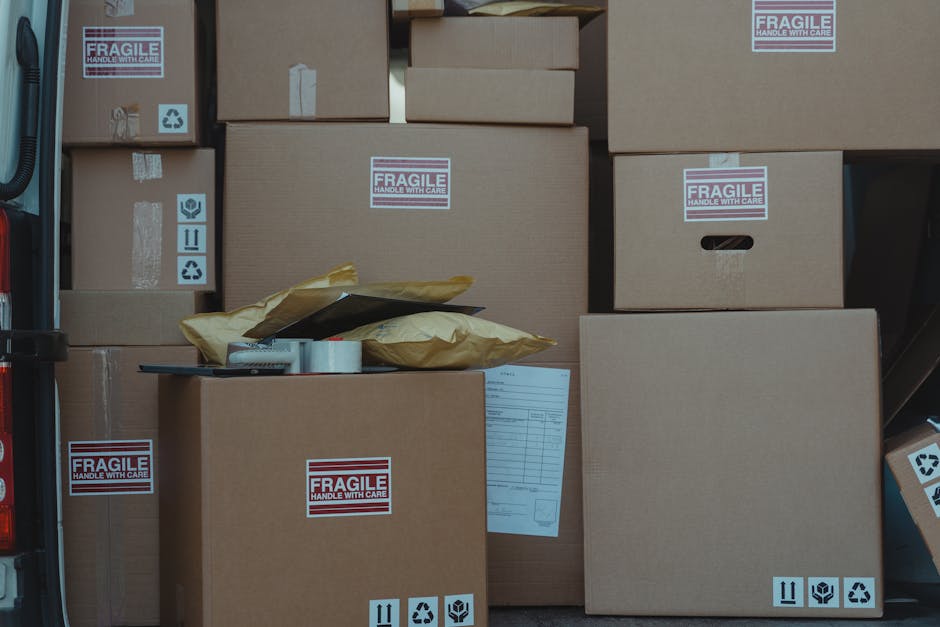
Whether the task involves a single room or a larger house, the work usually begins with understanding what must stay, what can go, and whether any furniture needs to be dismantled before removal. A measured approach helps when items include bulky wardrobes, white goods, bagged household waste, mixed furnishings or stored belongings that have built up over time. We focus on practical clearance work rather than unnecessary disruption, so the space can be handed back in better order.
For a quotation, it helps to have a simple description of the rooms involved and the main types of items to be removed. If you already know that the clearance includes a loft, garage or several furniture items, that detail can make it easier to assess the work accurately. Speak to us when you are ready to get started, and we can discuss the most suitable approach for the property.
Domestic clearance work for different parts of the home
Domestic clearances vary widely. Some properties need the removal of a few heavy items, while others need a more complete clear-out of furniture, clutter and household contents. A sensible clearance service takes account of access, stairs, parking, item weight and the condition of the rooms, because each of those affects how the work is carried out. We can deal with contents from bedrooms, living rooms, kitchens, hallways and storage spaces in a way that keeps the job orderly.
Where belongings still have value or could be reused, the best course is often to separate them before the main clearance begins. That may include readable books, usable chairs, cupboards, tables or other household items that do not need to be discarded with general waste. For customers who want a cleaner handover of a property, the important point is to balance speed with sorting so that useful items are not removed carelessly. This is especially relevant when the property contains mixed contents gathered over many years.
What a standard home clearance can cover
A standard home clearance can include loose rubbish, unwanted furniture, boxed items, bagged contents, broken household goods and general domestic clutter. In some cases the job also involves clearing from cupboards, under-stairs storage or outbuildings attached to the property. For larger properties, different areas may need to be addressed in stages so that the work stays manageable. The benefit of this approach is that it allows the property to be cleared without turning every room into a temporary dumping point.
Furniture, loft and garage clearance

Many clearances begin with a few significant items rather than an entire property. Furniture removal and furniture clearance are often needed when sofas, beds, wardrobes, cabinets or dining sets are no longer wanted and need to be taken away as part of a wider domestic clearance. These items can be awkward to move through narrow hallways or stairwells, so the process has to allow for size, weight and access. We can handle the removal of individual pieces as well as grouped furniture items.
Lofts and garages tend to collect a different mix of goods from the rest of the home. A loft may contain seasonal decorations, archive boxes, old suitcases or unused household possessions, while a garage can hold tools, broken storage items, spare furniture and general accumulated clutter. The work often requires patience because contents may be stacked unevenly or stored in a way that makes access difficult. A careful clearance avoids unnecessary damage to flooring, banisters, door frames and stored items that are being kept.
Useful preparation is usually simple.
- Separate anything you want to keep.
- Point out items that need special handling.
- Check whether there are access restrictions such as narrow steps or shared entrances.
Waste removal with recycling-minded sorting
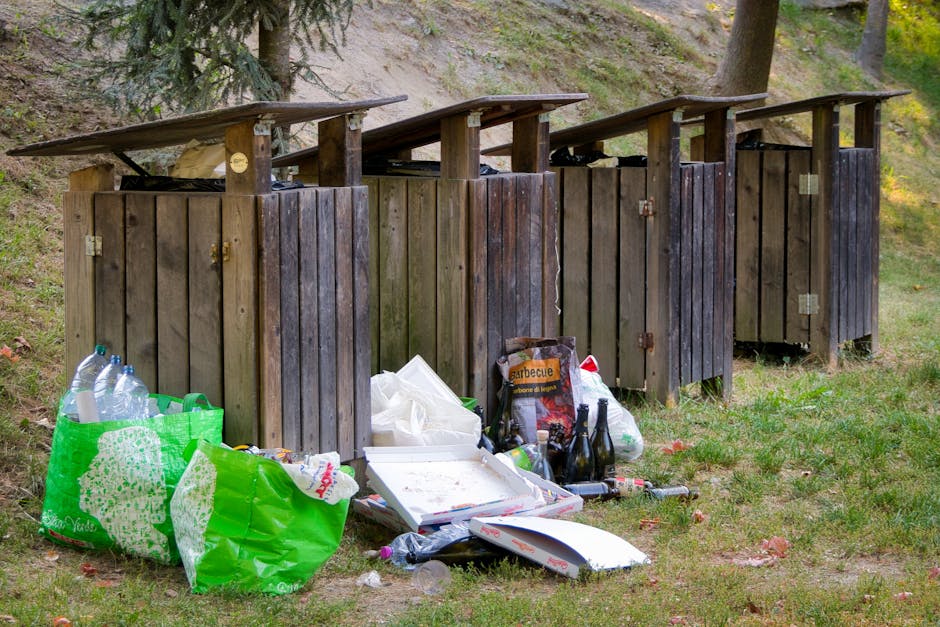
House clearance work is not only about taking items away; it also involves deciding how different materials should be handled once they have been removed from the property. Mixed household waste, furniture, metal items, wood, cardboard and reusable goods may each need a different route. A good clearance service separates these streams where practical so that the removal process is more organised and the final outcome is cleaner. That approach is especially useful when there is a combination of damaged items and still-serviceable belongings.
If a property includes items that are unsuitable for reuse, those still need to be removed in a responsible way. Broken furniture, worn soft furnishings, old storage units and general clutter can all take up a great deal of room, and their removal makes it easier to restore order in the property. In some clearances, the main challenge is not the volume of waste alone but the mix of objects that require different handling. Clear sorting at the outset helps avoid confusion once the removal begins.
We also recognise that some customers prefer a service which is straightforward and quietly efficient. That means the work is planned around the items themselves rather than around unnecessary extras. If you have a mix of household waste and reusable possessions, it is useful to explain that from the start so the right vehicles, equipment and manpower can be considered. For a fuller discussion of arrangements, the pricing and quotes page can help you think through the details before you request a figure.
Full and partial house clearance options

Some households need a complete clearance, while others only need selected rooms or specific items removed. A full house clearance is usually appropriate when most of the contents are leaving the property, whereas a partial clearance suits situations where only part of the home has to be emptied. That may include an upstairs bedroom, a front room, a spare room, a utility area or a set of bulky items that no longer fit the space. We can adjust the work to the scope that is actually needed.
Choosing between full and partial clearance is often a practical decision rather than a dramatic one. If the property still contains furniture and possessions in active use, it may be more sensible to target the sections that have become overcrowded. If the home is being prepared for handover, renovation or a change of occupancy, a broader clearance can be more appropriate. The main thing is to avoid removing items that should remain in the property, particularly where several family members have stored possessions together.
For customers planning the work, the most useful information is usually a room-by-room outline. Knowing whether you want a single bedroom cleared or the whole property emptied gives a much better basis for arranging the job than a vague description alone. You do not need to prepare a complicated inventory, but a clear list of main items can make the quotation process smoother. If you are comparing options, it is worth deciding whether you need the whole home or only selected areas dealt with.
Office and business waste removal
Although the main focus here is domestic property, house clearance services can also overlap with small business clearance needs where furniture or contents need to be removed from a working space. Office clearance may involve desks, chairs, filing units, storage cupboards, surplus equipment and general non-confidential waste. The practical challenge is similar to home clearance: the items need to be lifted out safely, separated sensibly and taken away without disrupting the premises more than necessary. We can support this kind of removal when it is part of a broader clearance requirement.
Business waste removal is often more structured because office furniture and equipment tend to be grouped by function. That can help with planning, especially if certain items are to be kept and others are to go. The size of the premises, the amount of furniture and the ease of access all influence the work. In some cases, the best approach is to clear one floor or one area at a time so that movement through the building remains safe and organised. For relevant commercial clearances, the office clearance page gives a straightforward route to that service.
Where a property includes a home office, converted room or mixed domestic and work storage, it is sensible to separate those contents before the clearance begins. That reduces the chance of useful papers, equipment or furniture being moved with general waste. The same principle applies when an outbuilding is used for both household and work-related storage. A considered approach keeps the process tidy and helps ensure that the right items are removed on the day.
About Hemel Hempstead
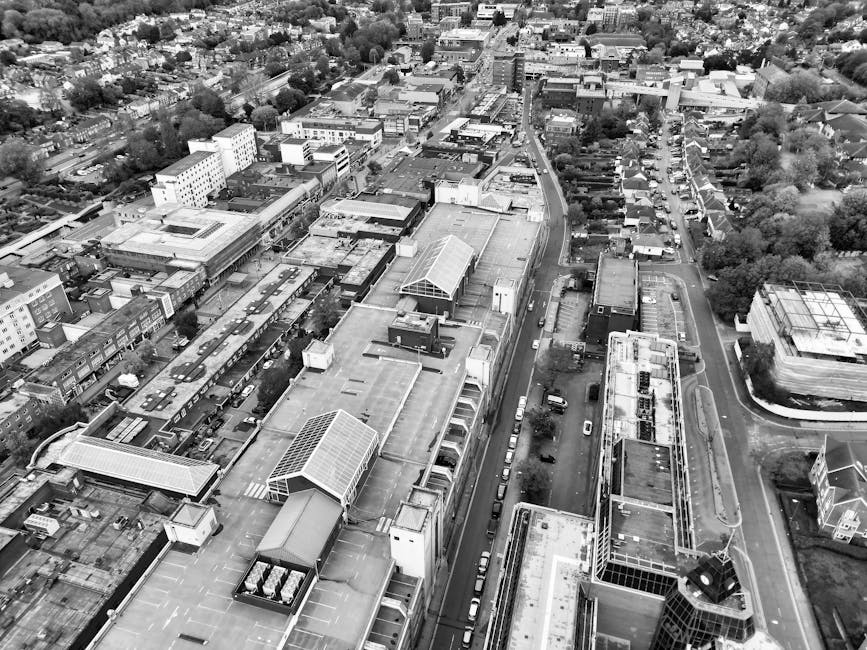
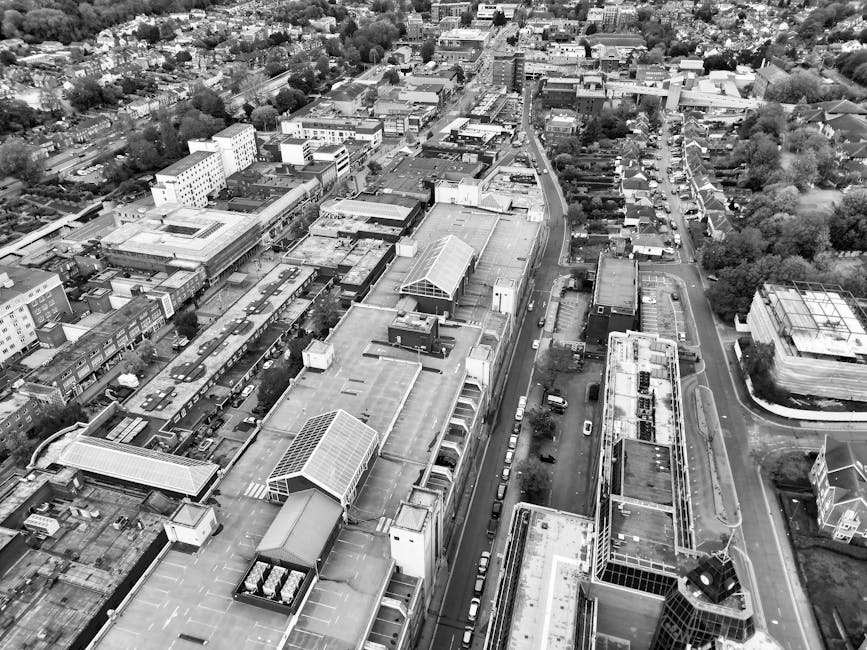
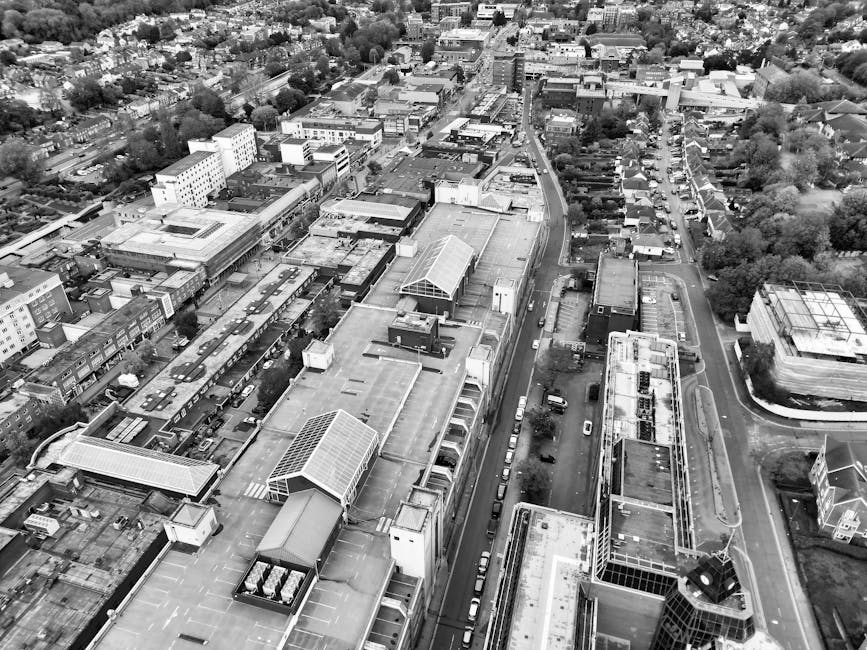
Hemel Hempstead is a town in Hertfordshire, known for its post-war New Town redevelopment as well as older historic layers that still shape its character. The town centre sits near the Gade Valley, and the River Gade itself is one of the notable natural features in the area, alongside open spaces and routes that connect neighbourhoods through greener corridors. The Old Town remains an important part of local identity, with its more traditional street pattern and historic buildings offering a contrast to the modern planned centre associated with New Town growth after the Second World War. That redevelopment brought a distinctive layout of residential areas, shopping precincts and road networks that continue to define daily movement across the town. Beyond the centre, Hemel Hempstead includes a range of districts and neighbourhoods with their own built forms, from estate housing to business areas and edges that meet surrounding countryside. The wider setting gives the town a varied feel, with access to countryside walks, canals and local parks, while still functioning as a substantial commuter and service settlement. The Grand Union Canal passes nearby and contributes to the waterway landscape of the district, adding another layer to the town’s geography and recreational use. Together, these features make Hemel Hempstead a place where older settlement history, mid-20th-century planning and present-day residential life all sit alongside each other in a way that is easy to recognise on the ground.
Clearance planning, access and practical arrangements
Good planning makes clearance work less stressful for everyone involved. Access is often the first practical matter to consider, because stairs, parking, gated entries, narrow hallways and shared entrances can all affect how items are removed. If larger furniture has to be carried through tight spaces, it may need to be shifted in a particular order or partly dismantled first. The more clearly the property layout is understood, the easier it is to shape the removal around the space rather than forcing the space to accommodate the removal.
It is also useful to think about what should be left behind, especially in properties that contain a mixture of old and current belongings. Key documents, personal valuables, photographs and items with sentimental value are best separated before the clearance starts. That is not about creating unnecessary administration; it is about avoiding accidental removal of things that matter. If you are able to mark what should remain in place, the clearance team can work with more confidence and less disruption.
For many customers, the simplest way to begin is by giving a clear summary of the property type, the rooms involved and the approximate volume of items. If you prefer, you can also mention any heavy objects, awkward access or pieces that may need dismantling. Simple information is usually enough to start the conversation, and there is no need to overcomplicate it. When the work is understood properly, the quotation can be based on the actual task rather than on guesswork.
Furniture disposal and responsible item handling
Furniture disposal is often a central part of house clearance because old or unwanted pieces can dominate a room even when only a few are present. Sofas, tables, beds, shelving units and wardrobes often need careful movement because they are bulky rather than simply heavy. Some pieces can be removed whole, while others may need partial dismantling so that they can be carried out safely. We approach those jobs as part of a planned clearance, keeping the focus on safe removal and tidy handling.
Different materials can call for different treatment, particularly when furniture combines wood, metal, fabric and fittings in a single item. A cabinet may contain glass shelves, a bed frame may include multiple fixings, and a sofa may be built from several layers of material. Separating items thoughtfully supports a more orderly clearance and can make disposal easier to manage. It also helps when customers want to know that the contents of the property have been handled with care rather than treated as a single anonymous load.
If you have a few large pieces that are taking up space, or a full set of furniture that no longer suits the property, the practical next step is often to group those items together before removal. That helps with assessment and makes it clearer what should be moved. For more detail on individual item removal, you may also want to look at our furniture clearance service, especially where the main task centres on bulky household pieces.
What to tell us when requesting a quotation

A clear quotation usually depends on a few basic facts: the type of property, the rooms to be cleared, the main categories of contents and whether any access issues are likely to affect the job. If possible, it helps to note whether the property includes loft contents, garage storage, wardrobes, sofas, white goods or loose domestic waste. That level of detail gives a better basis for estimating the work involved and helps avoid unnecessary back-and-forth. There is no need for a lengthy written list if that is inconvenient.
It can also be helpful to say whether the clearance is partial or full, whether any items are being left in place, and whether there are pieces that need dismantling before removal. In some cases, photographs can be useful, but a description alone may be enough to begin. The important thing is simply to give enough information for the scope to be understood properly. If you are ready to discuss the job, the contact us page is the most direct way to ask for a quotation.
For people who want a straightforward domestic clearance service in Hemel Hempstead, the key is to match the task to the property and the contents rather than forcing everything into one fixed format. Some jobs are about a single group of furniture, others about several rooms of household items, and some about a complete home handover. Whatever the mix, a sensible plan, clear communication and practical removal can make the process far easier to manage. Request a quotation when you are ready, and we can take the next step from there.