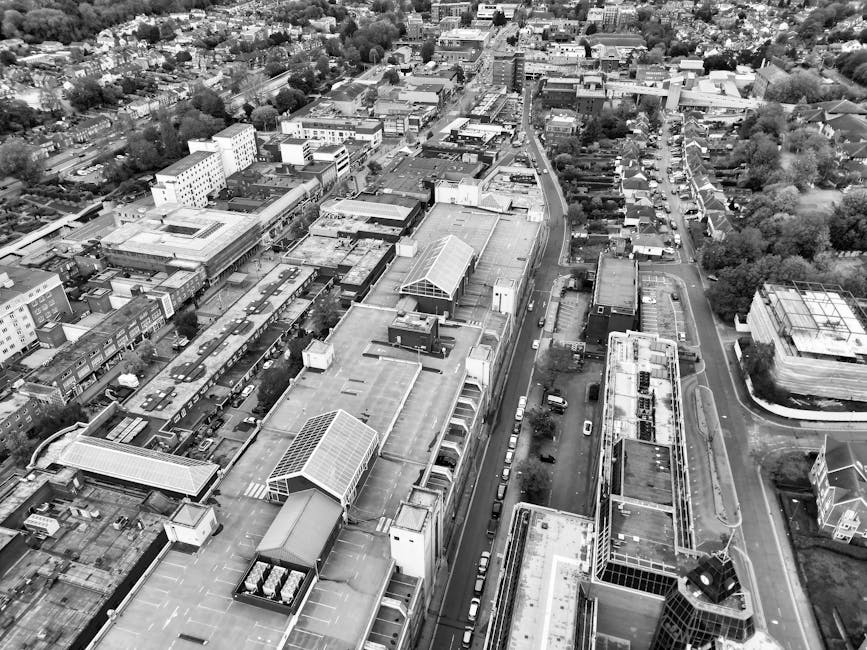
Marlowes guide to rubbish removal in Hemel Hempstead
If you are trying to clear a pile of junk, old furniture, builders' offcuts or a garage that has somehow become a storage unit for everything nobody wanted to throw away, you are in the right place. This Marlowes guide to rubbish removal in Hemel Hempstead is designed to help you make sense of the options, avoid common headaches, and choose the most practical route for your property, time, and budget.
Rubbish removal sounds simple until you are standing there with bags, broken items, mixed waste, and a deadline. Do you hire a skip? Book a man-and-van clearance? Separate recyclable items? What about heavy lifting, restricted access, or business waste? In this guide, we break it down clearly and locally, so you can decide what fits best without the usual guesswork.
For readers who want a full-service route, it can help to compare the wider waste removal service options alongside specific clearances such as house clearance, flat clearance, or even a focused garage clearance. Different jobs suit different approaches. That part matters more than people think.
Why Marlowes guide to rubbish removal in Hemel Hempstead Matters
Marlowes sits right at the heart of everyday life in Hemel Hempstead. Busy roads, mixed property types, flats above shops, homes with limited parking, and commercial premises all create slightly different waste challenges. That is why a one-size-fits-all approach to rubbish removal rarely works well. A quick weekend clear-out in one place might be straightforward; in another, it becomes a shuffle of access, lifting, sorting, and timing.
Local context matters because rubbish is rarely just "rubbish". It may include reusable furniture, electricals, garden waste, renovation debris, paperwork from an office, or awkward bulky items that do not fit neatly into a bin. The wrong method can lead to extra costs, delays, or a lot of back-and-forth that nobody enjoys. Truth be told, people usually want two things: the waste gone and the job done without fuss.
There is also a practical side to choosing a proper removal service. A professional team should understand how to handle mixed loads, lifting safety, and disposal routes sensibly. If you are looking for a clearer picture of how a business handles operations and standards, the site's about us page is useful for background, while the insurance and safety information and health and safety policy help build confidence before you book.
Practical takeaway: the best rubbish removal option is not always the cheapest on paper. It is the one that saves you time, reduces stress, and handles the waste type properly the first time.
How Marlowes guide to rubbish removal in Hemel Hempstead Works
Rubbish removal in this context is usually a collection and disposal service for unwanted items, mixed waste, or bulky rubbish. The process is typically more hands-off than hiring a skip, which appeals to many households and businesses. In many cases, the team does the lifting, loading, and transport for you. Handy. Especially if your stairs are awkward or the item you need gone seems to have doubled in weight since last Tuesday.
In practice, the workflow often looks something like this:
- You describe the waste, access, and location.
- The provider estimates the volume or reviews photos if needed.
- You receive a quote or guidance on likely costs.
- A collection time is arranged.
- The team arrives, confirms what is being removed, and loads the waste.
- The rubbish is sorted for reuse, recycling, or disposal where appropriate.
For larger or more varied jobs, the service may be split by property type or waste category. A loft that has not been touched in years may need a different approach from a few office chairs and cardboard boxes. If your job is more specific, related pages such as furniture clearance, furniture disposal, or builders waste clearance can be useful references.
The real value is simplicity. Instead of juggling bags, van hire, disposal trips, and lifting, you hand over the hassle. That is why rubbish removal is often chosen for bulky, mixed, or time-sensitive jobs.
Key Benefits and Practical Advantages
The obvious benefit is convenience, but the practical advantages go further than that. When done well, rubbish removal can actually make a property safer, easier to use, and more presentable in a matter of hours. For landlords, sellers, families, and business owners, that can be a big deal.
- Time saved: no need to organise multiple tip runs or figure out how to move heavy items.
- Less lifting: useful for upper floors, tight stairwells, or awkward access points.
- Cleaner spaces: a clear room, garage, or office just feels better, doesn't it?
- Better sorting: good services separate recyclable or reusable items where possible.
- Flexible for mixed waste: suitable when your load includes more than one type of item.
- Useful for deadlines: ideal before moving house, viewings, refurbishments, or tenancy changes.
There is also a subtle but important benefit: decision relief. Once you know the waste will be handled properly, the job stops hanging over you. That mental drag is real. You see the pile every time you walk past it, and it quietly annoys you until you deal with it. Rubbish removal takes that burden off your hands.
For people balancing cost and convenience, the best starting point is often the pricing and quotes page, which can help you understand how enquiries are handled and what details may matter when requesting a quote.
Who This Is For and When It Makes Sense
This guide is for anyone in Hemel Hempstead who needs waste removed without turning the day into a full-scale operation. The most common users are householders, landlords, tenants, tradespeople, office managers, shop owners, and people clearing a property after a move or bereavement. Each of those situations has its own little complications.
It makes sense to choose rubbish removal when:
- you have bulky items that will not fit in normal bins;
- you need a fast turnaround;
- access is awkward, such as in a flat or upper-floor property;
- the waste is mixed and sorting it yourself would take too long;
- you are clearing a space before sale, rental, renovation, or reopening;
- you want the lifting and loading done for you;
- you are dealing with a one-off job rather than ongoing waste collection.
There are also more specific scenarios. A landlord might need a flat emptied between tenancies. A family might want an overflowing loft cleared before winter. A builder might need rubble and packaging removed after a small refurb. And yes, businesses often have their own version of this problem: old desks, broken shelving, cardboard, and a surprising number of cables that nobody dares to label.
If you are managing commercial waste, the dedicated business waste removal and office clearance pages are particularly useful next steps.
Step-by-Step Guidance
If you want the process to run smoothly, it helps to break it into practical steps. A bit of planning up front saves time later. Not glamorous, but effective.
1. Identify the waste type
Start by grouping the items you want removed. Separate furniture, garden waste, builders' rubble, electrical items, and general junk if you can. You do not need a perfect system, just a sensible one. This helps the provider understand the job and reduces the chance of any surprise on the day.
2. Note access details
Think about parking, staircases, lifts, narrow hallways, and any restrictions around the property. In Marlowes and nearby areas, access can be the difference between a smooth visit and a slow one. A van parked a little too far away can add unnecessary time, and time is what tends to push jobs off schedule.
3. Ask for a quote with clear information
Photos usually help. So do simple notes about volume, weight, and whether anything is especially awkward or fragile. If you are unsure, be honest about it. "I think it is roughly a small van load, but there are some heavy bits" is much more helpful than guessing wildly.
4. Check what is included
Before confirming anything, check whether loading, labour, disposal, and transport are all included. Ask about any items that may have special handling needs. For example, some waste types can require separate treatment or may not be accepted in the same way as standard household rubbish.
5. Prepare the area
If safe to do so, make the waste easy to access. Move smaller items together, clear a path, and keep pets or children away from the working area. It sounds simple, but it makes a noticeable difference.
6. Confirm the collection
On the day, walk through what is being removed before loading begins. This avoids confusion. A little clarification at the start is much easier than trying to sort it out after half the pile has already gone.
7. Check the space afterwards
When the rubbish has been collected, take a moment to look over the area. You want to make sure nothing important has been missed and that the site is left tidy. If the job is part of a larger project, this is the time to decide what comes next, whether that is decorating, storage, or a further home clearance.
Expert Tips for Better Results
A few small choices can make the whole job smoother. In our experience, the people who get the best outcome are usually not the ones with the biggest pile of waste. They are the ones who prepare a little and ask the right questions.
- Take photos in daylight: a clear image of the waste often gives a much better quote than a rushed guess in a dim room.
- Measure awkward items: especially wardrobes, mattresses, appliances, or anything that needs to pass through a narrow doorway.
- Keep reusable items separate: if something can be donated, sold, or reused, say so early.
- Be realistic about access: if parking is tight or there are stairs, mention it up front.
- Schedule before deadlines: if you are moving, renovating, or handing back a property, do not leave it to the last minute.
- Ask how waste is handled: a trustworthy service should be able to explain disposal and sorting in plain English.
A useful habit is to create three piles: keep, donate/reuse, and remove. It is not fancy, but it works. And it stops you from paying to remove something you later realise you actually wanted. That happens more often than people admit.
For tougher jobs like lofts, garages, or awkward household storage, the dedicated loft clearance and garage clearance services can be a smart fit.
Common Mistakes to Avoid
Most rubbish removal problems are avoidable. They tend to come from rushing, not reading details, or underestimating how much waste there really is. Happens all the time.
- Leaving sorting until collection day: this can slow everything down and make it harder to separate items sensibly.
- Forgetting about access: a clear driveway in your head is not the same as a clear driveway in reality.
- Not checking excluded items: some materials need special handling or may not be accepted in a standard load.
- Choosing only on price: the cheapest option is not always the best value once lifting, time, and disposal are considered.
- Assuming all furniture is the same: large wardrobes, broken sofas, and dismantled beds can all affect loading time.
- Ignoring paperwork or building rules: if you are in a managed block, there may be rules about parking, loading, or lift use.
One of the more common mistakes is underestimating volume. A room can look manageable until you start stacking bags, cushions, drawers, and old shelving together. Then suddenly it is a bigger job than expected. A fair bit bigger. If that sounds familiar, you are not alone.
To reduce uncertainty, check the provider's terms and conditions before booking, and if you are dealing with payment online, it is sensible to review the payment and security information as well.
Tools, Resources and Recommendations
You do not need specialist equipment to arrange rubbish removal, but a few simple tools make planning much easier. Think of this section as your small helper kit.
- Phone camera: use it to take clear photos of the waste from a couple of angles.
- Measuring tape: useful for awkward furniture, appliances, and access points.
- Marker labels or notes: helpful if you are separating keep, donate, and remove piles.
- Gloves and sturdy footwear: sensible if you are moving small items before the team arrives.
- Basic checklist: keeps the job organised when there is a lot going on.
For support pages and reassurance around how the business operates, it can also help to review the site's insurance and safety, health and safety policy, and complaints procedure. Those pages do not remove waste for you, obviously, but they do show how service standards are handled when things need clarification.
If you need a broader starting point, the main website homepage is a practical place to explore service areas and contact options.
Law, Compliance, Standards, or Best Practice
Waste removal is not just about getting rid of clutter. There are compliance and safety expectations that sensible providers should respect. Without getting overly legalistic, the key principle is straightforward: waste should be handled responsibly, and the service should operate in line with relevant UK expectations for transport, disposal, and duty of care.
For readers, the main things to watch are simple:
- Ask where the waste goes: a legitimate operator should be able to explain the disposal route in broad terms.
- Separate special items when needed: some items may require different treatment than general rubbish.
- Use a provider with clear safety practices: this matters for heavy lifting, access, and site protection.
- Keep documentation where useful: especially for business premises or repeated clearances.
Best practice also means respecting neighbours, shared access, and building rules. If you are working in a flat block or a commercial site, a little coordination can prevent complaints. Nobody wants a van blocking the wrong entrance or waste bags left in a communal corridor, even for ten minutes.
For organisations or landlords dealing with regular or sensitive clearances, the pages on business waste removal and office clearance are especially worth a look. They help frame the job in a more structured way.
Options, Methods, or Comparison Table
There are a few practical ways to remove rubbish in Hemel Hempstead. The right one depends on volume, access, urgency, and how much labour you want to do yourself. Here is a simple comparison.
| Method | Best for | Main advantage | Typical drawback |
|---|---|---|---|
| Professional rubbish removal | Bulky, mixed, or urgent waste | Team handles lifting and loading | May cost more than self-managed disposal |
| Skip hire | Ongoing renovation or larger predictable volumes | Good for repeated filling over time | You must load it yourself and manage space |
| Self-haul to a tip | Smaller loads and easy access | Direct control of timing | Requires transport, effort, and several trips |
| Specialist clearance service | Houses, flats, offices, garages, lofts, or gardens | Tailored handling for the property or item type | May need more detailed booking information |
If your job is mainly home contents, then home clearance may be the clearest route. For a single room or a contained area, flat clearance is often more relevant. For mixed household furnishings, the furniture clearance page is a useful match.
Case Study or Real-World Example
Picture a small terraced property near Marlowes with a back room full of broken shelving, old boxes, two battered armchairs, and a few bags of general waste from a long-overdue sort-out. The homeowner has a viewing booked for the following afternoon. No room for delay. The pile is not huge, but it is awkward and a bit messy, and there is a narrow path through the kitchen to the rear access.
In that kind of situation, the sensible move is usually not to spend half a day loading a car and making multiple tip runs. It is to get clear photos, note access, and arrange a collection that includes loading and disposal. The job then becomes a short, focused visit rather than an all-day task.
What made the difference here was preparation. The homeowner separated paperwork, kept a couple of items to one side, and made sure the access route was clear. The collection was quick, the room was left tidy, and the viewing could go ahead without the background worry of "we really should have dealt with that earlier."
That sort of scenario is common enough. Not dramatic. Just real life. And to be fair, real life is usually where good rubbish removal earns its keep.
Practical Checklist
Use this checklist before booking or on the morning of collection. It keeps things simple and stops easy-to-miss details from becoming annoying problems later.
- Identify exactly what needs removing.
- Separate anything you want to keep, donate, or sell.
- Take clear photos of the waste and access route.
- Measure bulky items if they may be tight through doors or stairwells.
- Check parking and access restrictions.
- Ask what is included in the quote.
- Confirm whether heavy lifting is part of the service.
- Ask about any items with special handling needs.
- Review service terms if the job is time-sensitive or business-related.
- Keep pets, children, and obstacles out of the working area.
- Walk through the cleared space once the job is done.
Quick tip: if you are not sure whether a particular item can be collected, mention it early. That one small conversation can save a lot of awkwardness on the day.
Get a free quote today and see how much you can save.
Conclusion
Rubbish removal in Hemel Hempstead does not need to feel complicated. Once you understand the type of waste, the access, the urgency, and the level of help you want, the right option becomes much easier to see. Marlowes and the surrounding area are busy enough without adding avoidable clutter to the mix, so a straightforward, well-planned clearance can make a real difference.
Whether you need a one-off collection, a room cleared, or a more structured service for a property or business, the smartest approach is usually the calm one: sort what you can, ask clear questions, and choose a provider that explains things properly. Simple, really. And a lot less stressful than trying to wrestle a broken wardrobe into the back of a car on a wet evening.
If you are ready to take the next step, start with a clear quote request and a short description of the waste. That is often all it takes to move from "I really need to sort this out" to "done."
Frequently Asked Questions
What is the difference between rubbish removal and skip hire?
Rubbish removal usually includes the lifting, loading, and transport of your waste by the provider. Skip hire means you fill the skip yourself, which works better for certain projects but can be more labour-intensive. If access is tricky or you want less manual work, rubbish removal is often the easier choice.
How do I know if I need a full clearance or just a rubbish collection?
If you are clearing a room, property, or multiple large items, a full or partial clearance may suit you better. If you just have a manageable pile of mixed waste, a standard rubbish collection can be enough. The best clue is usually volume and how much sorting is involved.
Can furniture be taken away as part of rubbish removal?
Yes, furniture is commonly collected, especially when it is bulky or no longer usable. Sofas, tables, wardrobes, beds, and chairs are all typical examples. If your job is mainly old items like this, the furniture disposal and furniture clearance pages may be especially relevant.
Do I need to move everything outside before the team arrives?
Not usually. Many rubbish removal services include lifting from inside the property, though it is always worth confirming. If you can safely make access easier, that helps, but you should not assume you need to drag everything to the kerb yourself.
What kinds of waste are commonly removed?
Common loads include general household junk, old furniture, garden waste, loft clutter, garage contents, office items, and some builders' waste. If your waste is unusual, heavy, sharp, or potentially hazardous, mention it when requesting a quote so you get the right guidance.
How much does rubbish removal usually cost?
Pricing depends on the amount of waste, the type of waste, the access, and the labour involved. Because jobs vary so much, the most reliable route is to request a quote based on photos and a brief description. The pricing and quotes page is the right place to start.
Is rubbish removal suitable for flats in Hemel Hempstead?
Yes, it is often a very practical option for flats because it reduces the amount of carrying and transport you need to manage. Access, parking, lifts, and shared hallways just need to be explained clearly. A flat clearance service may be the better fit for larger jobs.
What should I do with garden waste or outdoor clutter?
Garden waste, broken outdoor furniture, shed contents, and general garden clutter can often be removed together. If the job is mainly outside, the garden clearance page is a helpful match. As always, a quick description of the material helps a lot.
Can businesses use rubbish removal for office clear-outs?
Yes. Businesses often use rubbish removal for office refits, old equipment, shelving, filing cabinets, and mixed commercial waste. If you are dealing with a workplace rather than a home, the business waste removal and office clearance services are more suitable references.
How can I make the collection faster and easier?
Take photos, make access clear, separate keep and remove piles, and mention anything awkward in advance. A little preparation goes a long way. The team can work faster when they know what they are dealing with, and you will probably feel less frazzled too.
What happens if I am not sure whether an item can be collected?
Just ask before booking. That is the safest approach. A good provider should be able to tell you whether the item is acceptable, whether it needs separate handling, or whether another solution would be more appropriate.
Is there any point in checking the company's policies before I book?
Yes, especially if you care about safety, payment, or how complaints are handled. Pages like insurance and safety, health and safety policy, and complaints procedure give useful reassurance and show how the service is organised.
How do I decide between rubbish removal and a specialist clearance?
If the load is mixed and you want a simple one-off collection, rubbish removal is often the best fit. If the job is centred on a specific space or item type, such as a garage, loft, office, or house, a specialist clearance can be more efficient. The right choice is usually the one that matches the shape of the job, not just the amount of waste.
Where can I ask a question or get help with my booking?
If you want to discuss a job directly, use the contact us page. It is the quickest way to ask about access, timing, or the best service for your situation.