Tough to move bulky items rubbish removal solutions Hemel Hempstead
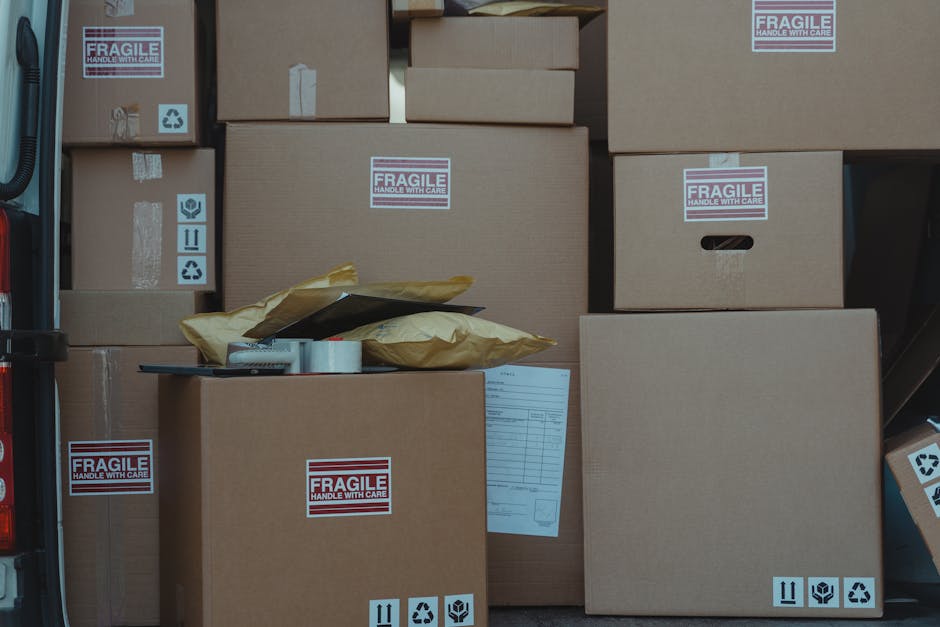
If you have ever stared at a sofa wedged in a hallway, a broken wardrobe on the landing, or a heavy mattress that simply will not fit through the stairs, you already know the problem. Tough to move bulky items rubbish removal solutions Hemel Hempstead are not just about "getting rid of stuff" - they are about moving awkward, heavy, and often messy items safely, without damaging your home, hurting your back, or turning a simple clear-out into a full-day headache.
In Hemel Hempstead, bulky waste can build up fast: old furniture in a spare room, garden items that have seen better days, builders' offcuts, office furniture, garage clutter, or a flat clearance that needs careful handling. This guide breaks down how bulky item removal works, when it makes sense, how to prepare, what to avoid, and what a good service should do for you. A bit of practical know-how goes a long way here. Truth be told, the difference between a smooth job and a stressful one is usually planning.
Why Tough to move bulky items rubbish removal solutions Hemel Hempstead Matters
Bulky items are a different kind of nuisance. A bag of mixed waste is annoying; a double wardrobe is awkward, top-heavy, and a bit determined to catch every door frame on the way out. That is why bulky item disposal needs a different approach from standard household rubbish removal. The job is less about volume alone and more about shape, weight, access, and safe lifting.
In many Hemel Hempstead homes, access is the real issue. Narrow stairwells, split-level layouts, small hallways, flats with shared entrances, loft rooms with tight turns, and garages packed edge to edge can make even one item hard to remove. The same goes for commercial spaces. Office desks, filing cabinets, stock shelving, or builder's debris can all be bulky in ways that ordinary bin collections are not built to handle.
This matters because trying to manage heavy items without a plan often leads to avoidable problems:
- scratched walls, chipped paint, or broken bannisters
- muscle strains and lifting injuries
- blocked exits or fire routes during a move-out
- items being left outside for too long, which is unsightly and can cause complaints
- mis-sorting waste, which can lead to poor recycling outcomes
There is also the peace-of-mind factor. Once a large item is gone, the room feels different. You can hear the echo a little. It sounds odd, but people notice it. Space changes the mood of a place. And when a clear-out is urgent - before tenants move in, after a refurbishment, during probate, or after a garage spring clean - speed and reliability become just as important as price.
How Tough to move bulky items rubbish removal solutions Hemel Hempstead Works
At a practical level, bulky item removal usually follows a simple process. A good provider will ask what needs to go, how much there is, where it is located, and whether there are any access issues. That last part is not small. It is often the bit that decides whether the job is straightforward or a little fiddly.
Here is the usual flow:
- Assessment - You explain the item types, quantities, and location. Photos can help, especially for awkward pieces.
- Access check - The team considers stairs, lifts, parking, entry widths, or any tight turns.
- Quotation - The price is normally based on the nature of the job, the volume, labour involved, and disposal requirements.
- Collection - Items are lifted, moved carefully, and loaded for sorting or disposal.
- Sorting and disposal - Reusable items, recyclable materials, and residual waste are separated where possible.
For heavier removals, the key is not brute force. It is controlled movement. Two people carrying slowly and communicating clearly is far safer than one person trying to "just get on with it". The job may look simple from the outside, but the safe route is usually the clever route.
You may also see some companies offer related services for different spaces and waste types. For example, if the bulky items are in a house, a full house clearance may be the right fit. If the problem is furniture, then furniture clearance or furniture disposal can be more targeted. For mixed household jobs, home clearance is often the most practical starting point.
Key Benefits and Practical Advantages
People usually look for bulky item removal because they need relief quickly. But the real value goes a bit further than that.
1. Less physical strain
Heavy lifting is where things go wrong. A professional approach lowers the chance of injury, especially with items that are awkward rather than simply heavy.
2. Fewer property mishaps
Anyone who has ever clipped a plaster wall with a sofa corner knows the sound. It is not a lovely one. Careful removal helps protect floors, skirting boards, and staircases.
3. Faster room turnaround
Whether you are preparing a rental, clearing a storage room, or getting a renovation moving, bulky waste can slow everything down. Once it is gone, the rest tends to follow.
4. Better sorting and recycling
Large items often contain mixed materials: wood, metal, fabric, foam, plastics, and sometimes electrical components. A proper service will separate what can be reused or recycled where possible. If sustainability matters to you, that is a meaningful point. You can read more about the company's approach via its recycling and sustainability commitment.
5. Less stress for everyone involved
That sounds obvious, but it matters. Family members, landlords, tenants, office managers, and tradespeople all benefit when bulky waste disappears cleanly and on schedule.
Practical takeaway: the best bulky item solution is rarely the cheapest-looking one at first glance. It is the one that saves time, avoids damage, and handles access safely the first time.
Who This Is For and When It Makes Sense
This kind of rubbish removal is useful for a surprisingly wide mix of people. Some jobs are planned. Others appear out of nowhere. A broken bed frame does not exactly send a calendar invite.
- Homeowners clearing old furniture, white goods, or garage clutter
- Tenants who need to leave a property tidy before moving out
- Landlords and letting agents dealing with left-behind bulky items
- Families managing a bereavement or probate clearance
- Trades and builders with oversized waste after refurbishment or strip-out work
- Office managers replacing desks, chairs, cabinets, or archive storage
- Retail or business owners removing stock fixtures, shelving, or packaging waste
It also makes sense when the item is physically possible to move, but awkward enough that doing it yourself feels like a bad idea. Ask yourself: do you have the right people, the right vehicle, and enough space to turn, lift, and load safely? If the answer is "maybe not", that is usually your cue.
For example, a bulky sofa might be straightforward if it is on the ground floor with wide access. The same sofa on a narrow top floor landing in a flat? Different story entirely. In that situation, a service such as flat clearance may be a much better fit.
Step-by-Step Guidance
If you want a smooth bulky item clearance, a little preparation helps more than most people expect. Here is a simple process that works well in practice.
- List every bulky item clearly. Include beds, wardrobes, sofas, mattresses, shelves, cabinets, and anything unusually heavy or oversized.
- Note access conditions. Mention stairs, narrow doorways, garden steps, locked gates, parking restrictions, or basement access.
- Separate what might be reusable. Some furniture may still be suitable for clearance rather than disposal, depending on condition.
- Remove personal items. Drawers, shelves, and hidden compartments have a habit of storing random things. Keys, cables, receipts, little screws - the usual suspects.
- Measure if the item is awkward. It helps to know whether a wardrobe can be turned, or whether the headboard is detachable.
- Take photos. Good photos save time and reduce confusion when quoting.
- Choose the right service. For mixed heavy waste, a broader waste removal service may be ideal. For garage-heavy clutter, garage clearance can be more efficient.
- Confirm payment and timing. Make sure you understand when the work will happen and how it will be priced.
If the job includes construction debris, it may fall more naturally under builders waste clearance. That matters because mixed renovation waste is handled differently from clean household furniture. Likewise, if the space is an office rather than a home, office clearance can be the more sensible route.
One small but useful habit: clear the route before collection day. Move shoes, plant pots, hanging baskets, loose rugs, and other trip hazards. It sounds obvious. It often gets missed.
Expert Tips for Better Results
Over time, a few patterns become clear. The jobs that go smoothly are usually the ones where the details are sorted early. A few tips make a real difference.
- Choose the right words when describing the item. "Big wardrobe" is not as useful as "solid pine wardrobe, three doors, first floor, no lift".
- Be honest about weight and access. If something has already been partially dismantled, say so. If it is jammed, say that too.
- Use dismantling only when it genuinely helps. Sometimes taking a bed apart is sensible. Sometimes it creates a pile of loose parts and extra work.
- Keep children and pets away during the collection. Heavy lifting needs space and attention. It is not the moment for a dog to decide it wants a closer look.
- Ask how items are sorted. It is a good sign if the provider can explain reuse, recycling, and residual waste handling in plain English.
- Check what happens with unusually large or mixed items. A piano, hot tub, or heavy commercial cabinet may need special handling. Do not assume it is all the same.
In our experience, one of the biggest time-savers is simply sending a few honest photos from different angles. Morning light helps, oddly enough. You can see dimensions better and avoid the "this looked smaller in the garage" problem.
If you are dealing with a mix of old beds, sofas, and chairs, a service focused on furniture disposal can often streamline the process. And if the item is just one part of a larger room reset, furniture clearance may give you a cleaner end result.
Common Mistakes to Avoid
Bulky item removal looks simple until it isn't. These are the mistakes that cause most of the hassle.
- Underestimating access. A two-minute hallway can become a twenty-minute puzzle if you do not measure properly.
- Leaving the job to one person. Heavy or awkward items should not be "just carried carefully" by someone alone. That is not a plan.
- Forgetting hidden parts. Drawers, glass shelves, detachable legs, and cabling can all complicate removal.
- Mixing clean items with dirty waste. This can reduce recycling potential and make sorting harder.
- Assuming every bulky item is the same. A mattress, a fridge, and a dismantled shed panel are all different problems.
- Leaving clearance too late. If you wait until the last day of a move, a busy timetable can turn a simple job into a scramble.
There is also a tendency to focus only on price. Fair enough, price matters. But if the lowest quote does not account for stairs, parking, or dismantling, you may end up paying in time and inconvenience later. That is usually the expensive option in disguise.
Tools, Resources and Recommendations
You do not need specialist kit for every clearance, but a few basics help a lot if you are preparing items yourself before collection.
- Strong gloves for grip and to reduce scrapes
- Measuring tape for checking doorways, stair turns, and item dimensions
- Blankets or covers to protect walls and floors if you are moving items short distances
- Sack trolley or furniture dolly where appropriate and safe to use
- Basic screwdriver or Allen key set for dismantling furniture if that is part of the plan
- Labels or tape to mark pieces that belong together
For service-related preparation, a few website pages can also help you understand the wider picture. If you are comparing costs, have a look at pricing and quotes. If you want to know more about the people behind the service, there is about us. And if the job is time-sensitive or you want to talk through an awkward clearance, the contact page is the natural next step.
For business customers, the most relevant option may be business waste removal, especially where bulky waste mixes with packaging, shelving, stockroom material, or old furnishings. It saves a lot of back-and-forth.
Law, Compliance, Standards, or Best Practice
When bulky waste is being collected, the main thing is that it is handled responsibly and passed to the right route for disposal or recovery. You do not need to memorise legislation, but you should expect a professional approach to duty of care, safe handling, and sensible segregation.
Best practice usually includes:
- checking what is being removed before collection
- handling items safely to reduce injury and property damage
- separating reusable and recyclable materials where practical
- using appropriate loading and transport methods
- being clear about what is and is not accepted
If you are clearing a workplace, the standards expected are often a little higher because staff, visitors, and building access all have to be considered. In those cases, booking with a provider that takes health and safety seriously is sensible, not overcautious. The same goes for the service's insurance and safety approach, especially if the item has to be moved through shared space.
There are also practical expectations around transparency. Clear pricing, clear timing, and clear communication all matter. If a job is going to involve dismantling, extra labour, or awkward access, that should be discussed upfront rather than discovered halfway through. Nobody enjoys surprise complexity. Not at 8am, anyway.
For broader service terms, you can also review the company's terms and conditions and payment and security information before booking. Small detail, big reassurance.
Options, Methods, or Comparison Table
There is more than one way to deal with bulky waste. The right choice depends on what you are removing, where it is, and how quickly you need it gone.
| Option | Best for | Pros | Limitations |
|---|---|---|---|
| Self-removal | Small, light, easy-to-carry items | Can seem cheaper if you already have transport | Time-consuming, physical strain, disposal logistics |
| Skip hire | Large renovation or building projects | Good for ongoing waste over several days | Needs space, permits may be relevant, loading is your job |
| Bulky item collection service | Heavy furniture, mixed household waste, awkward access | Fast, labour included, usually less hassle | Price depends on volume and access |
| Full clearance service | Homes, flats, garages, lofts, offices, or estate clearances | Comprehensive and efficient | May be more than you need for a single item |
If you are clearing a single troublesome item, a targeted removal is usually enough. If the room is full, broad clearance can be more sensible. A garage packed with old chairs, boxes, garden tools, and a broken exercise bike, for instance, may be best handled as a full garage clearance rather than item-by-item removal.
And for people dealing with outdoor clutter, garden furniture, or weather-worn timber, garden clearance can save a lot of lifting and repeat trips.
Case Study or Real-World Example
Here is a typical scenario. A family in Hemel Hempstead is preparing a property for sale. Upstairs, there is a double wardrobe that will not fit through the landing without being dismantled. Downstairs, there is a sofa with sagging cushions, two armchairs, and a set of shelves from the hallway. The garage still contains a few old boxes and a broken chest freezer-sized cabinet that nobody wants to touch.
They could try to deal with it in stages, over several weekends, with a borrowed van and a lot of grunting. Or they could plan the clearance properly, explain the access issues, send photos, and book one visit that covers the bulky items in one go.
In that kind of job, the biggest win is not dramatic. It is calm. The hallway stays intact, the route is clear, the items are removed efficiently, and the property is ready for the next stage. By late afternoon, the house feels lighter. You notice the space immediately. Even the dust seems less irritating when the big objects are gone - funny how that works.
If the same property also had attic clutter, a combined loft clearance could have made even more sense. It is often about looking at the whole picture, not just one awkward sofa.
Practical Checklist
Before collection day, run through this checklist. It is simple, but it catches the things people often forget.
- Have you identified every bulky item to be removed?
- Are any items dismantled, partially dismantled, or fixed in place?
- Have you measured doorways, stair turns, and access points?
- Are the route, driveway, and entrance free from trip hazards?
- Have you removed personal belongings from drawers, cupboards, and shelves?
- Have you taken photos for reference if the item is awkward?
- Do you know whether the item is furniture, mixed waste, or construction-related?
- Have you confirmed timing, pricing, and payment details?
- Do pets, children, or vulnerable occupants need to be kept away during lifting?
- Have you checked whether any part of the job needs special handling or extra labour?
If you can tick most of those off, you are in good shape. If not, pause for five minutes and sort the access first. That tiny delay often saves a lot of trouble later.
Get a free quote today and see how much you can save.
Conclusion
Tough to move bulky items rubbish removal solutions Hemel Hempstead are all about making an awkward job simple, safe, and properly handled. Whether you are clearing one heavy item or a whole room full of oversized waste, the right approach comes down to planning, access, and choosing a service that understands the job before it starts.
The best results usually come from clear information, careful lifting, and a realistic view of what needs to go. Not every bulky item is a crisis, but plenty of them become one when they are left too late. Deal with them early, and the whole space breathes easier. Honestly, that feeling of an uncluttered room is hard to beat.
For a service that is built around practical removal, responsible handling, and straightforward communication, it helps to start with the pages that explain what is offered and how the process works. Then take the next sensible step with confidence. Simple as that.
Frequently Asked Questions
What counts as a bulky item for rubbish removal?
A bulky item is usually anything too large, heavy, or awkward for standard household collection. That often includes sofas, wardrobes, beds, mattresses, desks, cabinets, appliances, and similar oversized items.
Can I leave bulky items outside for collection?
Sometimes yes, but only if the service agrees and the item can be placed safely without causing obstruction. For flats, shared entrances, and busy streets, it is usually better to confirm the exact collection point first.
Is bulky item removal cheaper than hiring a skip?
It depends on what you need to remove. For one-off heavy items or awkward furniture, a collection service is often more cost-effective. For ongoing renovation waste, a skip may make more sense. It is not always a straight comparison.
Do I need to dismantle furniture before removal?
Not always. Some items can be removed intact, while others are easier and safer to move dismantled. If a wardrobe or bed frame is especially large, a provider may suggest partial dismantling to reduce risk and protect your property.
What happens to the items after they are collected?
That depends on the item's condition and material type. Some items may be suitable for reuse or resale, some may be recycled, and some will be sent for disposal. A good service should sort materials responsibly where practical.
Can you remove bulky items from a flat or upper floor?
Yes, but access matters. Stairs, lifts, tight turns, and shared corridors all need to be considered. A service such as flat clearance is often more suitable in these cases than a general one-item collection.
What if my bulky items are mixed with other rubbish?
That is common. Mixed waste can often be handled as part of a broader clearance, though the type of waste may affect pricing and sorting. Be clear about what is included so there are no surprises on the day.
How quickly can bulky waste be removed?
Timing varies depending on availability, access, and how much needs to be cleared. Small jobs may be arranged quite quickly, while larger or more complex clearances may need a bit more coordination.
Is it safe to move heavy furniture myself?
It can be safe for light, simple items with the right help, but heavy or awkward furniture is another matter. If the item is bulky, top-heavy, or moving through stairs or tight spaces, professional handling is usually the safer route.
Do I need to book a full house clearance for a few bulky items?
Not necessarily. A full house clearance is useful when there is a larger volume of waste. For a few items, furniture-focused or general waste removal may be more appropriate.
What should I tell the company before collection?
Give a clear list of the items, their location, access conditions, and whether anything needs dismantling. Photos are very helpful. The more accurate the description, the smoother the job tends to be.
Can bulky item removal help with office clear-outs too?
Yes. Office desks, chairs, cabinets, and other oversized work furniture are common clearance items. If the setting is commercial, office clearance or business waste removal may be the better fit.